
What is Pixel Art?
Gamer culture is relatively young compared to other media, but it has already experienced 9 console generations over the course of at least 48 years. The body of knowledge surrounding gaming continues to expand, including concepts, definitions, and popular quotes that are taken for granted. For newcomers, it could be a daunting task to take it all in.
This time, we're going to talk about one of the many forms of visual expression that have turned video games into the most recent art form—Pixel art. This style uniquely merges past and present, adding a special sense of nostalgia to games that feature it. Let's learn a little bit more about this digital drawing technique.
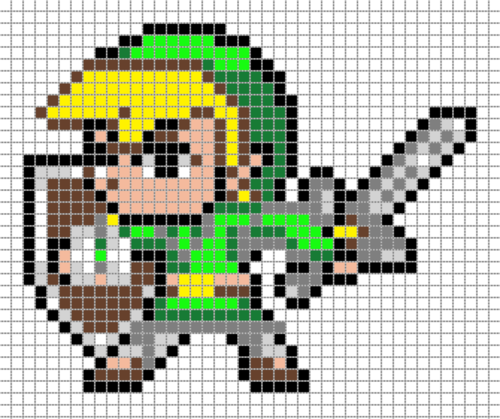
A pixel is the simplest unit of a digital image; it is the equivalent of a dot in a traditional drawing. Depending on how they are grouped and in what amount, we can increase the complexity of our images; our “canvas” will depend on the resolution of our screen (the number of pixels that can be displayed simultaneously).
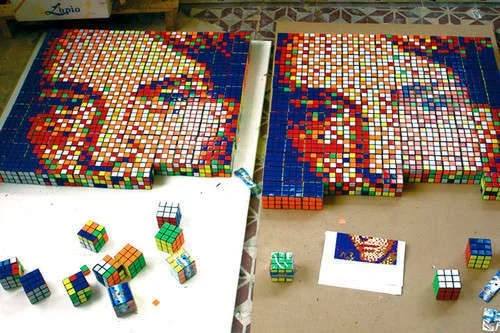
Although pixel art may seem like a recent artistic movement that pays homage to the first video games, the term pixel art is as ancient as the classics. It was first used by Adele Goldberg and Robert Flegal at the Xerox Palo Alto Research Center in 1982; the concept traces back to 1972, also originating from the same institution. There are also non-digital forms of art that look like pixel art, such as embroidery, mosaics, and beadwork (found in collars and clothing).
Pixel Art, just like any other drawing technique, is comprised of different categories; depending on the perspective, it could be classified as isometric (which is built over a 30-degree grid, used to represent three-dimensional images with depth), or non-isometric (including every other perspective, such as front view, side view, top view, etc.).
Nevertheless, video games are dynamic and rarely consist of static frames; their characters have motion. This is where the animation process comes into play. Just as the pixel is the minimum unit of digital drawing, a sprite is the minimum unit of animation. In this case, the sprite is simply an image made of pixels, which is part of a sequence of superimposing frames that create the illusion of movement, similar to a cartoon.
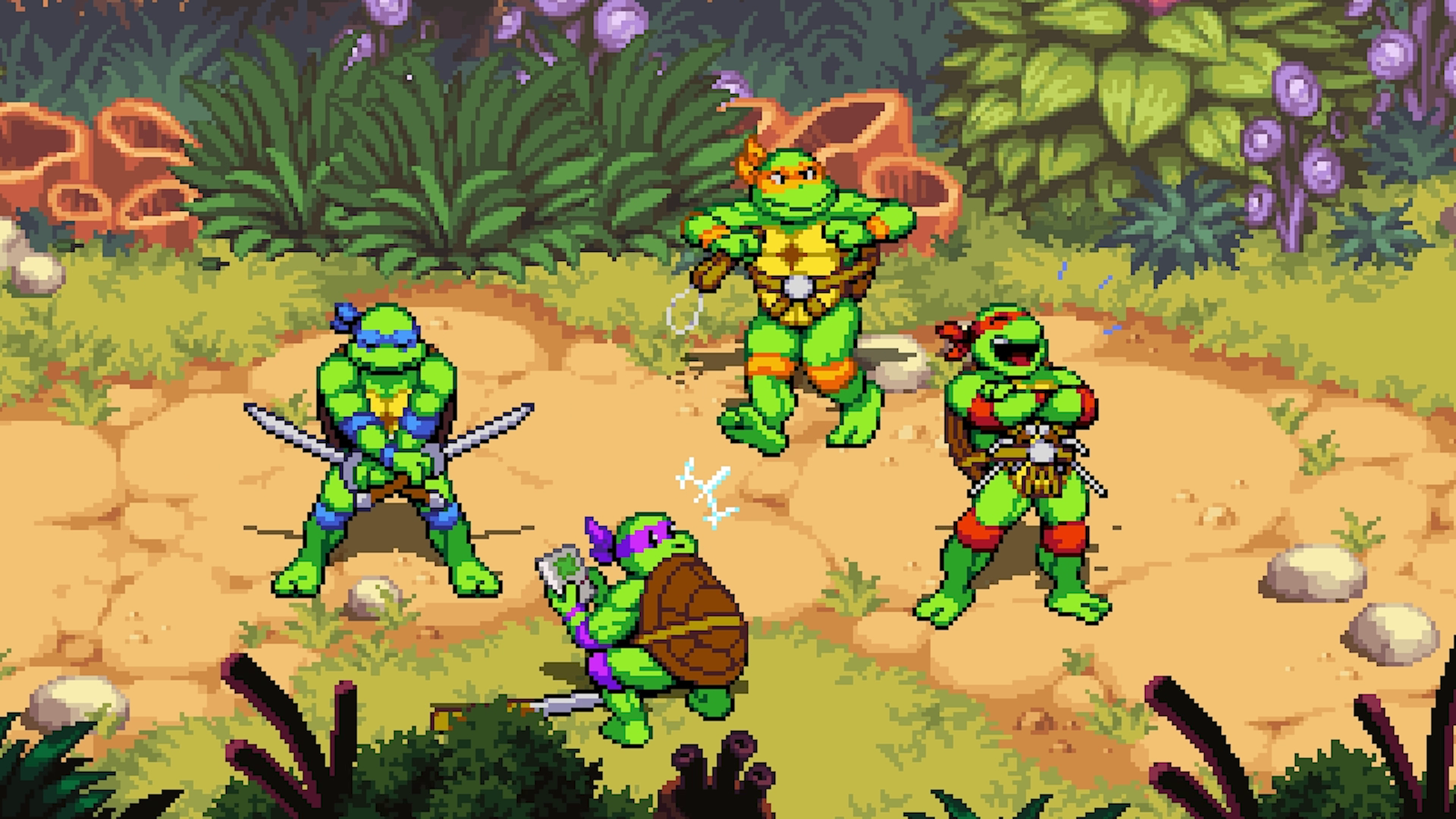
Teenage Mutant Ninja Turtles: Shredder’s Revenge (2023)
At the dawn of the gaming industry, the capacity to make pixels was restricted, and screen resolutions were low. For instance, during the NES era, resolution was just 256 x 240, allowing for only 54 colors to be used in images, with a maximum of 25 colors displayed on the screen at any given time. This meant that the look of our beloved classic games was not a matter of choice; it was the best that game makers could do at that time. In fact, these limitations played a crucial role in game design, challenging the creativity of the creators. For example, Super Mario's mustache and cap were born out of these graphical constraints rather than from Shigeru Miyamoto's original design.
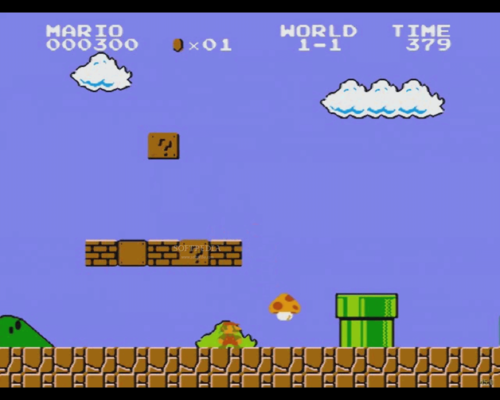
Super Mario Bros. (1985)
Most game designers at the beginning didn't have an artistic background; they had to learn on the go, adapting to what technology could offer; therefore, on more than one occasion, we came across peculiar artistic choices on the sprite color palette of our favorite games (does anyone remember the iconic purple Batman on NES?) As time went on, the first game designers eventually turned into skilled artists, inspiring future generations to improve the aesthetic of video games. Major technological leaps were fundamental in this evolution, allowing designers to go from using only 11 colors on screen to hundreds, and then thousands. Eventually, the 3D era arrived at the 5th generation of consoles, and the industry started to leave the old pixels behind. Sprites took a back seat, giving way to 3D models and their polygon meshes with textures.
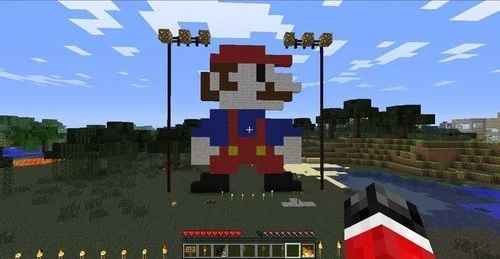
Minecraft (2009)
As years went on, it became evident that 3D graphics were evolving rapidly; each new generation would leave the previous one in the dust. By increasing polygon counts and perfecting rendering techniques, we began to see stunning results, including majestic vistas and characters with an appearance that bordered on realism. This phenomenon led to discussions about the Uncanny Valley.
However, we also noticed the classics from earlier eras, which brought us so much joy, still looked good. Their charm wouldn't diminish as time pushed forward; sure, we cannot deny that nostalgia plays a role—we tend to remember only the good aspects of those things we used to love—it's also true that the simple pixel style in those games is exactly what allowed them to endure over time.
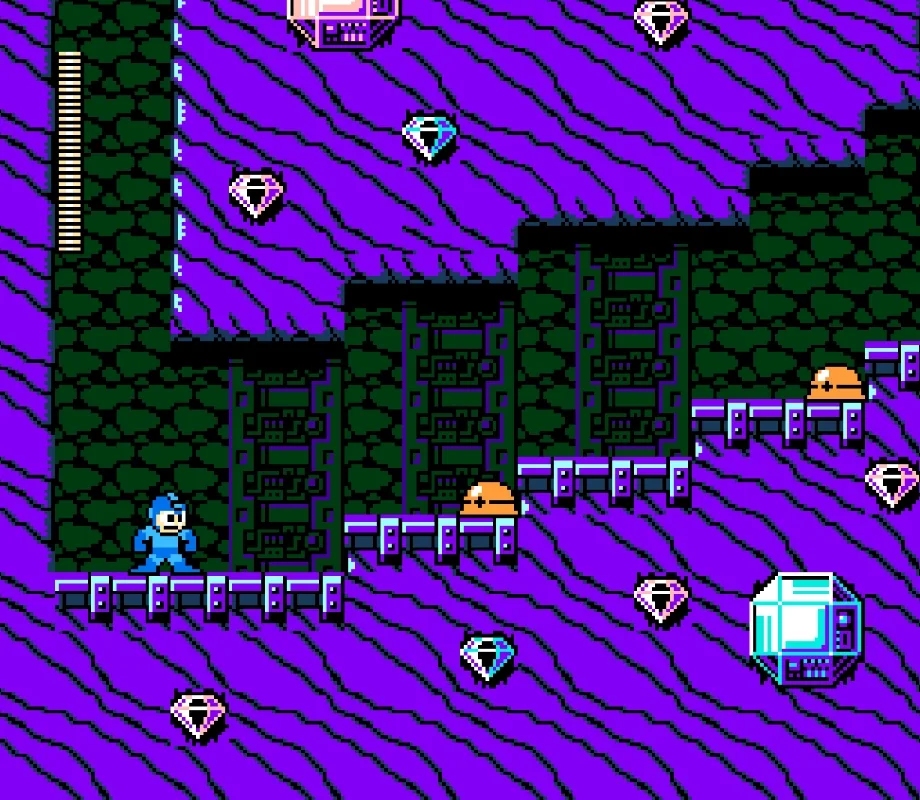
Mega Man 9 (2007)
Pixel Art stayed alive, almost in suspended animation, waiting for its moment to return. The proper conditions lined up approximately 20 years ago, once again by the hand of an alliance between an art trend and the best-suited technological tools. The artistic push was the nostalgia wave coming from the generations of players that experienced the classics from the first four console generations during their childhood; they were now adults, counting with ample knowledge about art techniques (drawing, composition, animation, etc.) that also had more potent computers at their disposal, with new tools that allowed them to make their games faster at a fraction of what used to cost.
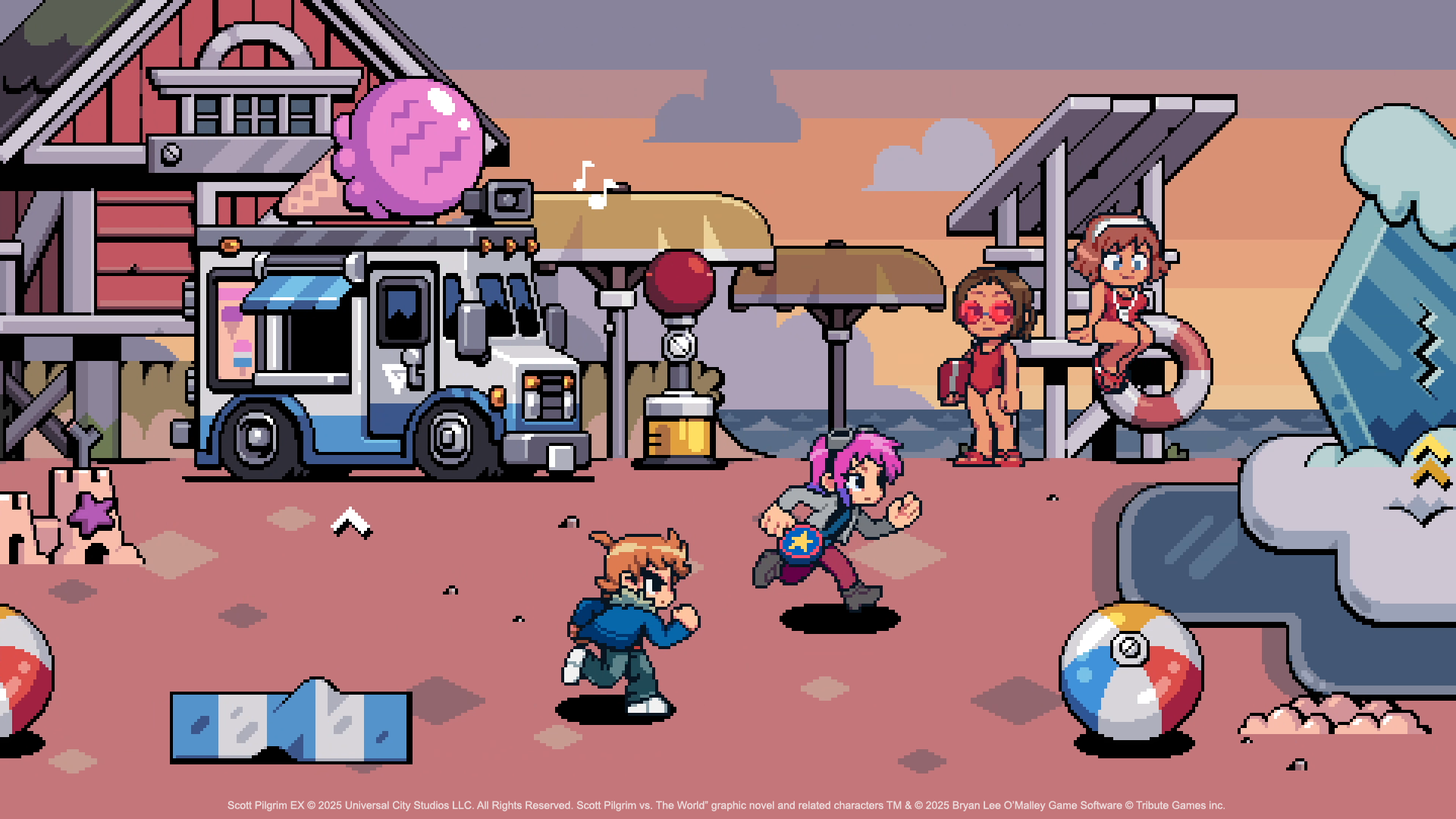
Scott Pilgrim EX (2026)
Nowadays, Pixel Art practically has no limitations, primarily those imposed by the artist's imagination and creativity. It is just another visual style available. It all comes down to the creator's choice, during the early stages of game design, to help add a specific vibe or a personality touch to a project (when used appropriately). While it may not compete with the realism of modern 3D graphics, that's part of the charm; pixels encourage viewers to use their imagination to fill in the gaps.
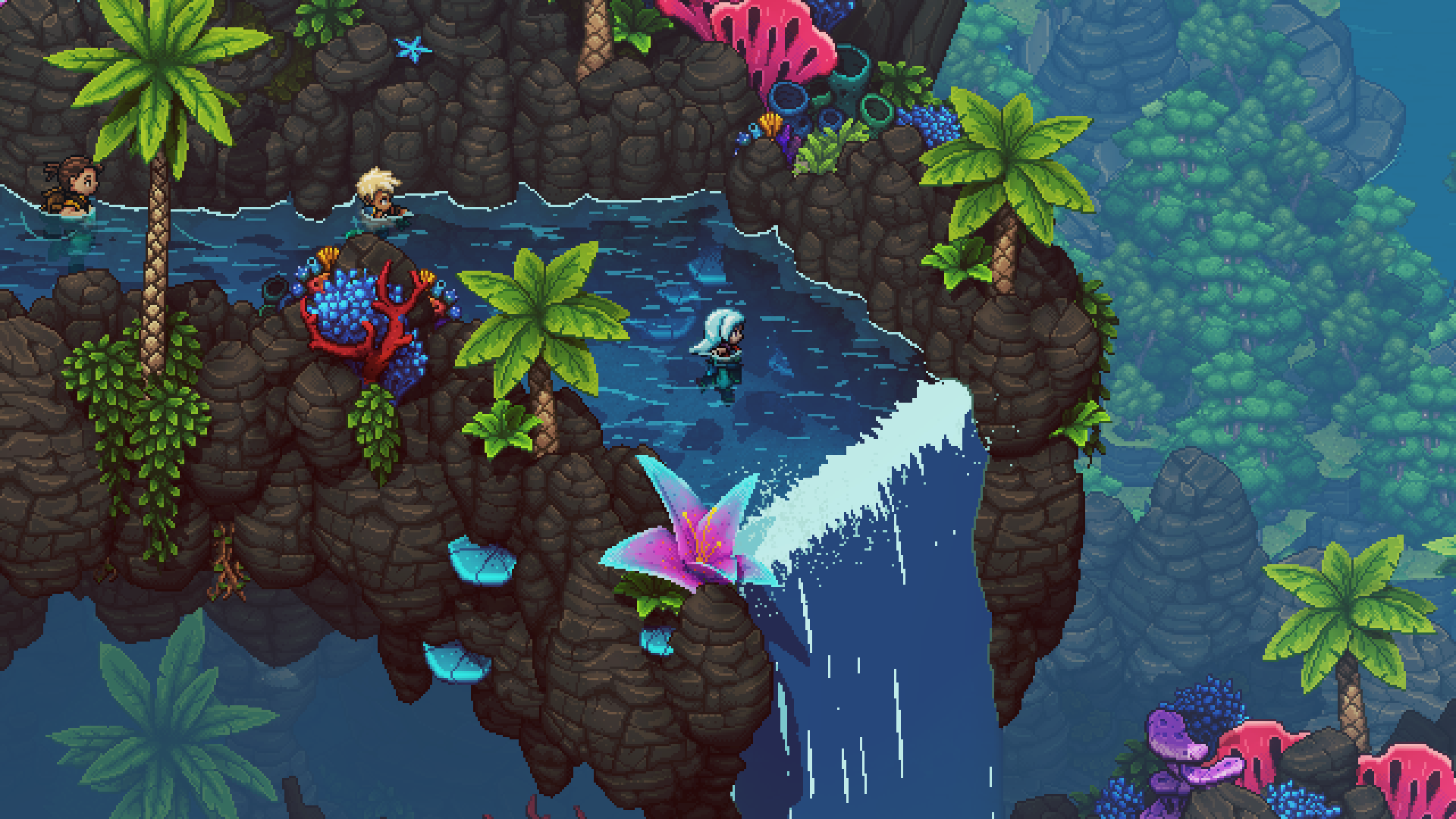
Sea of Stars (2023)
Indie developers have made the best out of this art style, willing to take more risks; many of them prefer it because it's cheaper to make; the working files are lighter and demand much less graphic power from computers, which means their games could run on a wider variety of game consoles, including PC, Mac, and mobile devices.
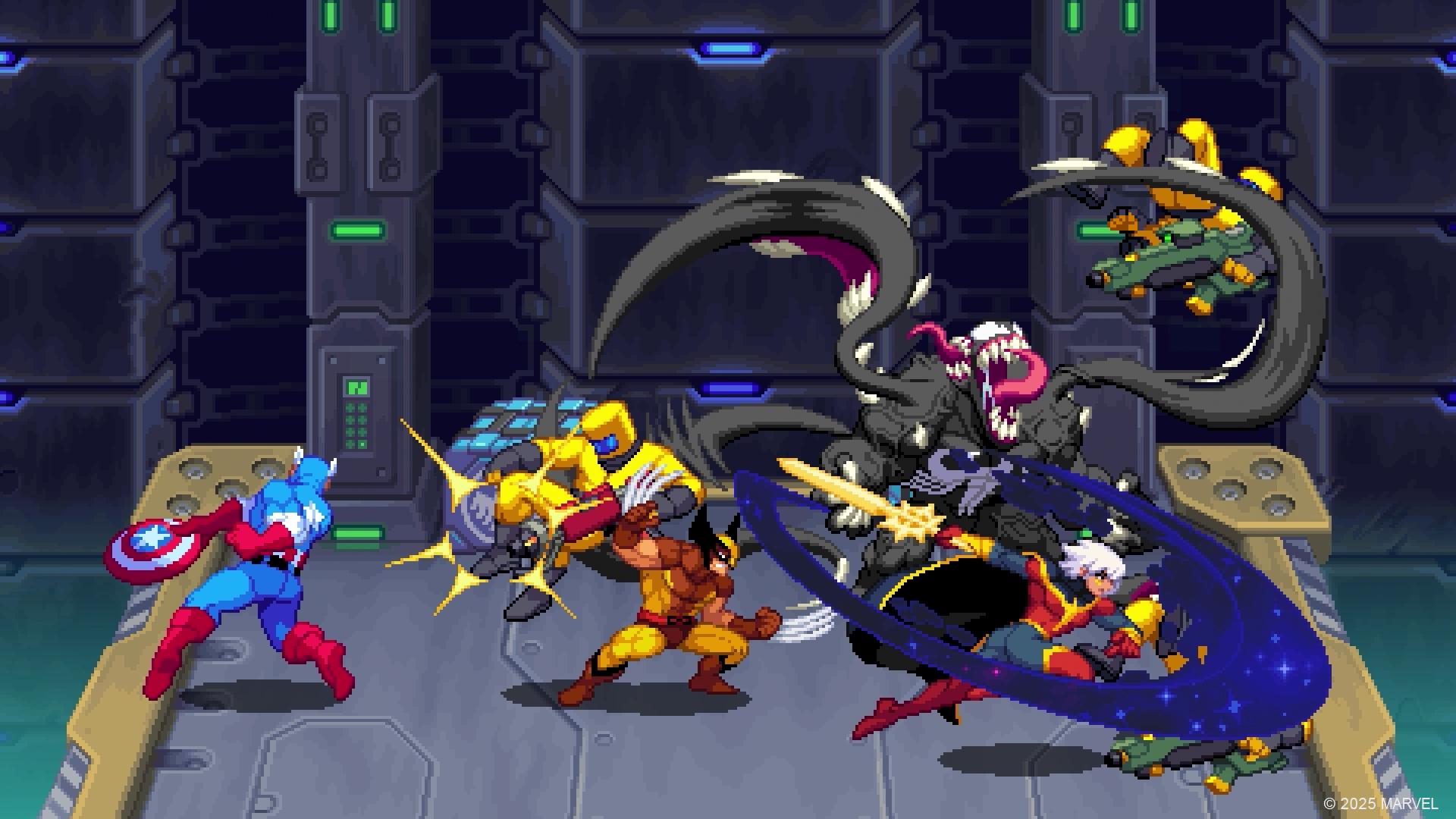
Marvel’s Cosmic Invasion (2025)
Not only indie devs have been enticed by the Pixel Art allure, some studios use it in tandem with game mechanics straight out of the classics to give their games the complete nostalgia touch; Tribute Games is undoubtably one of my favorite studios, with its retro Beat 'Em Ups such as "TMNT Shredder's Revenge" (2023), "Marvel's Cosmic Invasion" (2025), and "Scott Pilgrim EX" (2026), a sequel to "Scott Pilgrim versus the World" (which actually, was created by Ubisoft in 2010, by many of those who currently grow the ranks of Tribute Games); "Shovel Knight" (2014) by Yacht Club Games is also a gorgeous masterpiece.
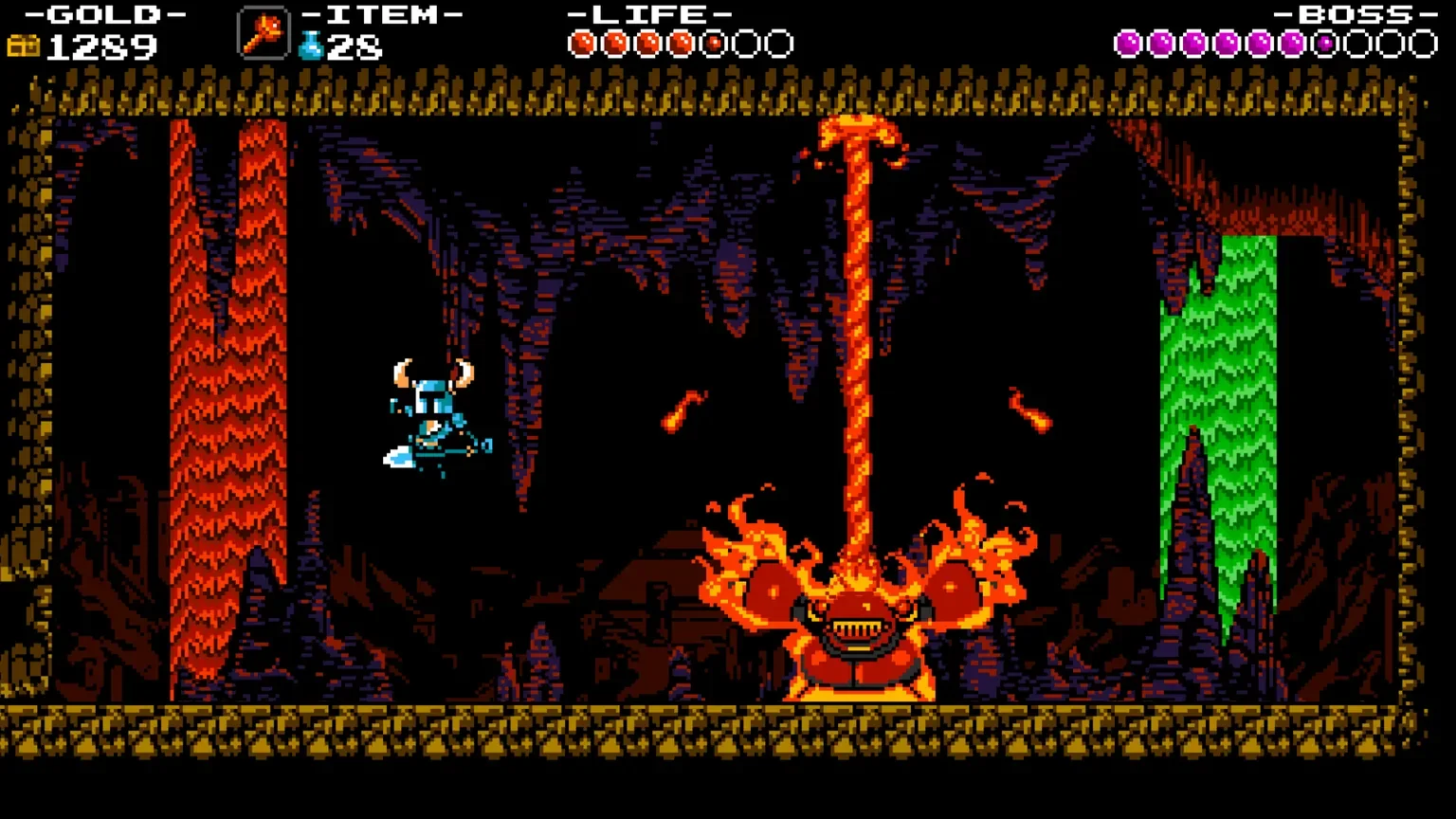
Shovel Knight (2014)
However, not everything is based on nostalgia; Pixel Art also represents the future. Being a more basic style, when compared to 3D modeling, allows creators to focus on other elements such as innovative game mechanics, advanced AI, and rich narratives. Today, we can find amazing games brimming with creativity and fun, such as "Undertale" (2015), "Stardew Valley" (2016), "Blasphemous" (2019), "Sea of Stars" (2023) and "Ninja Gaiden Ragebound" (2025), to name a few, sporting different Game Mechanics but at the same time, sharing the same visual style in their essence.
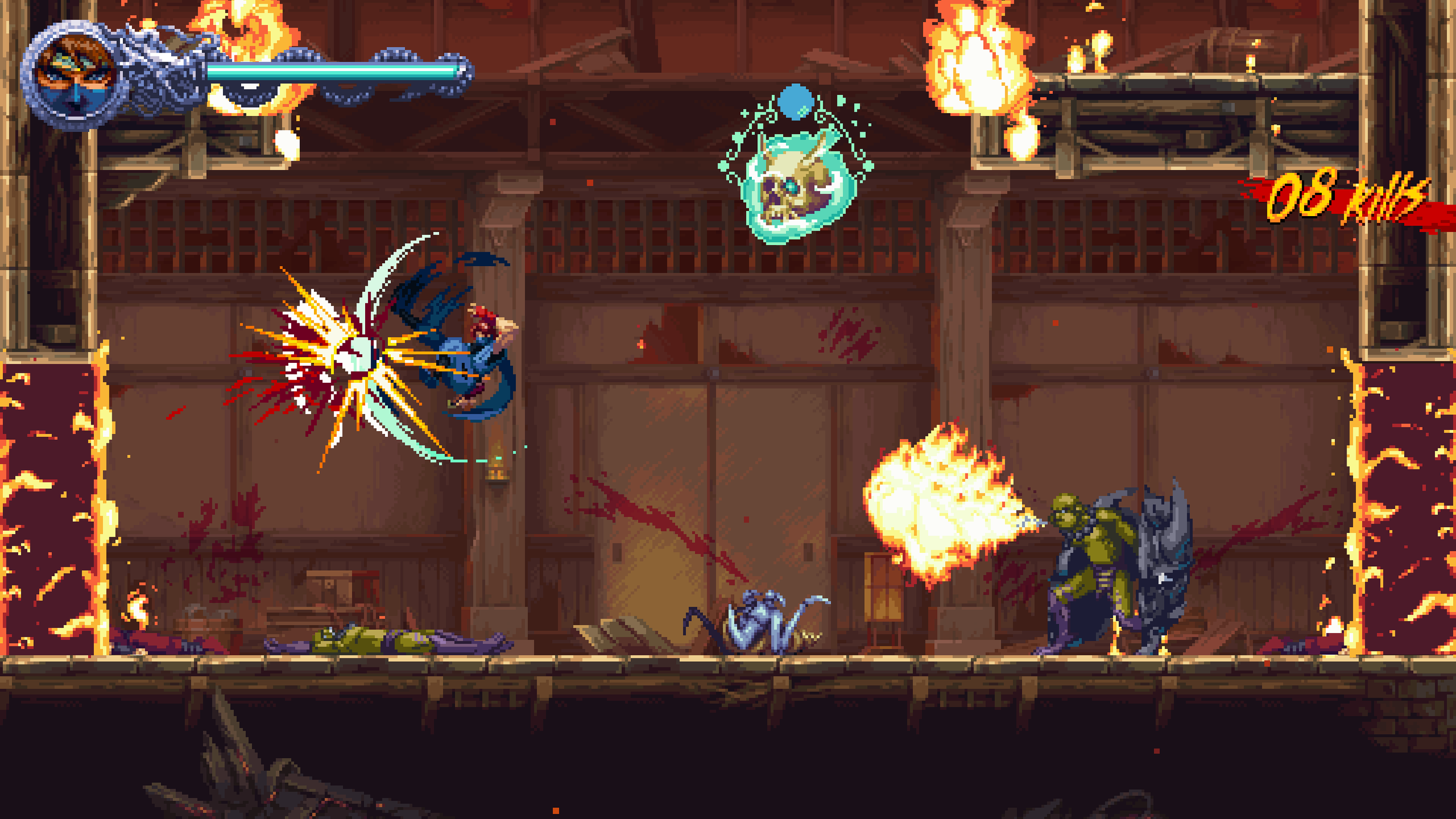
Ninja Gaiden Ragebound (2025)
Pixel Art is here to stay, as long as artists are willing to appreciate both its liberties and limitations. The more acceptance this type of game has in the fandom, the more likely future projects will adopt it. Around 18 years ago, we saw how AAA companies like Capcom jumped in on the retro wave and launched "Mega Man 9" (2008), closely followed by "Mega Man 10" (2010), entirely made in pixel art. And during the past decade, we witnessed the birth of the HD-2D art style, which combines pixel-based sprites with gorgeous 3D backgrounds, spearheaded by Square Enix with "Octopath Traveler" (2018), "Triangle Strategy" (2022), and "Final Fantasy Tactics Remake" (2025), among others.
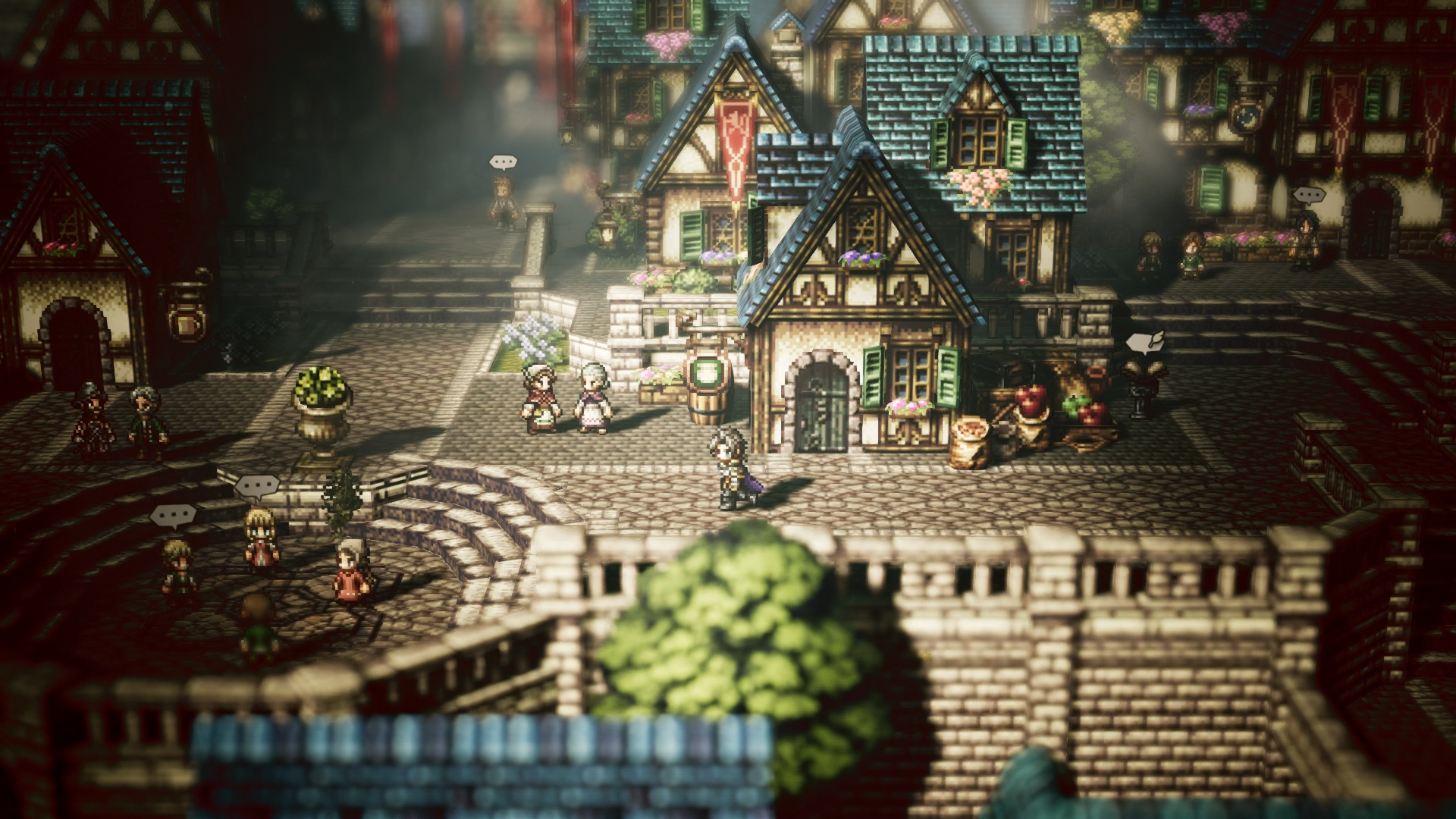
Octopath Traveler (2018)
Let's not discard pixel art video games as antiquated; their minimalistic appearance could be fostering a groundbreaking game mechanic that offers a unique experience. Let's enjoy every game as a whole, exploring every story and every challenge. Because this artistic style, which was considered by many as mere nostalgia bait a couple of decades ago, could very well be the foundation of the games that will shape the future of the industry.
But Enough Talk... Have at You!

ESP
En esta ocasión, hablaremos de una de las tantas formas de expresión visual que han transformado este hobby en la forma más reciente de arte: el pixel art. Entre todas las formas de dar vida a cada personaje no hay ninguna otra que entrelace mejor el pasado con el presente. Le añade una sensación especial de nostalgia a los juegos que la utilizan. Conozcamos un poco más sobre esta técnica de dibujo digital.